Unsolicited Advice For People Producing Wrestling TV Shows | Opinion
I’ve been fortunate enough in my life to watch a lot of wrestling. Like, a lot. I’ve also been fortunate enough to spend some of my professional life in storytelling mediums (publishing, comic books and TV/film) and when I look at wrestling through those lenses I see a lot of things that are happening across the board from WWE, AEW, TNA and more that make it a lesser storytelling medium and less accessible to new audiences.
Allow me to explain. The best way to tell stories in wrestling is obviously in the ring. Two (or more) talented workers taking us on a ride like no other medium can. However, what’s put out around all that, the vehicle that takes us there and draws in new fans, is the TV show (or streamer in today’s day and age).
Now, I don’t know if it’s because streamed shows don’t have to worry about being as tight as broadcast shows in the past, or just the way consumer media has changed, or even just people are getting lazy, but there are things happening in wrestling shows that were once slight annoyances, but have now become full-blown habits, devoid of what any story needs: logic, and to make sense.
So, I’ve put together a six-point checklist for anyone producing a wrestling show on behalf of the audience (aka Me). These are things that I feel shows need to think about (because I know they are all reading this and simply dying to hear what one jabroni in Canada thinks). But if I can reach even one, we’ll have better tv, which makes for better wrestling, which makes for bigger audiences, etc, etc, etc.
Tell Us Who Everyone Is, Please
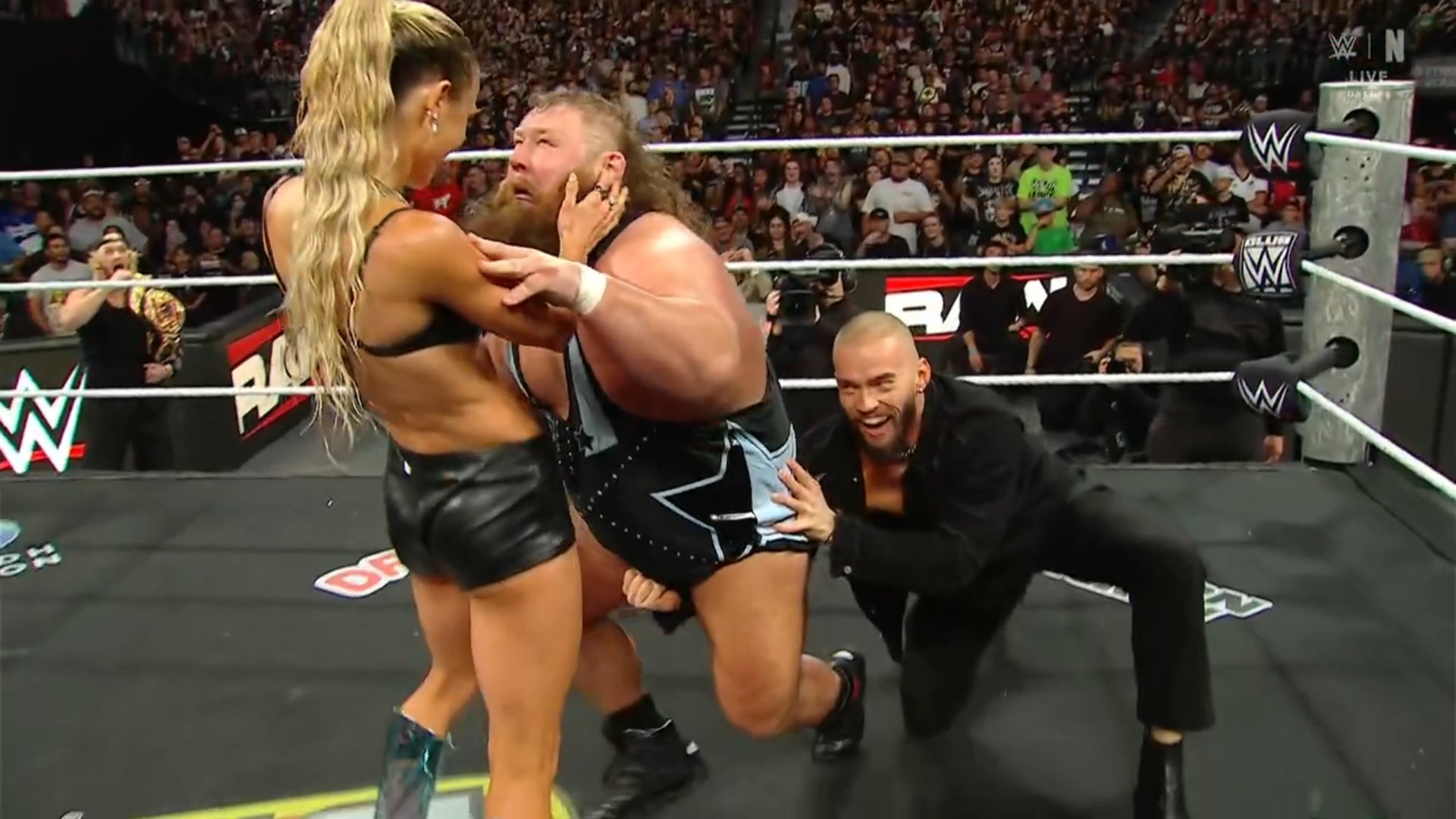
I feel like I shouldn’t have to say this, but in every show I’m watching, at least once or twice an episode, someone is prominently featured in a segment, promo or match but no one says their name. Not even a chyron or graphic just to tell the audience who Noam Dar’s friend is.
This is basic homework for any storytelling. If I don’t know who they are (and if I’ve not watched the show regularly, I don’t) then how am I supposed to get behind them, or understand their story? We don’t need complete bios and histories every time someone comes on the screen, but their name would be nice.
Promo Parades Are Out of Control
I love a good promo or backstage segment that adds passion and fire to a storyline or feud. What I do not like is a promo that starts with one person, goes through four interruptions, takes 20 minutes and results in a match between them all that could have just been booked and promoted. This is lazy storytelling and frankly annoying to watch. Not every match needs to be set up in 20 minute opening segments, with person after person coming out to interrupt.
Promos are meant to promote something that’s going to happen, is happening, or is pushing the story forward based on what just happened. They aren’t supposed to “set up our main event” or frustrate a GM into making a tag or multi-person match for ‘Right here in <insert town>.”
Which brings me to a big one:
Remember, This Is Supposed To Be a Sporting Event
Wrestling is fiction. We all know this, we accept it and we love it. However, wrestling works best when treated and presented like a legit sporting event. An audience should be living and dying with wrestlers the way they do with their favourite Football or Hockey teams.
This is where simple storytelling logic comes into play. No UFC card goes to air with matches or at least a rundown undecided and presented to the audience. No boxing show does this. No Spelling Bee does this. Why does wrestling do it? All it does is make it look like those in charge have no idea what they are doing and just show up to the arena hoping something happens to fill time.
Wrestling tends to forget this and we have promo parades that set up Main Events or matches “right now.” All that does is make an audience say “What were you going to do if that hadn’t happened?” Did they just have no opening match planned? Was there no previously decided main event? Yes, the card is subject to change, but change from what?
Complaining Isn’t The Flex You Think It Is
A terrible habit that Wrestling TV has gotten into is complaining. No weekly wrestling show goes by without someone using their TV time to complain or burst into an on-screen Authority Figure’s office and rant about not getting “opportunities.” The weird part is, they often get them as a result!
As obsessed as the wrestling world is with GM’s and Authority Figures, rarely do I see one that actually uses said authority to make the show better. It seems like they are just catering to people who complain the most, and that doesn’t really make me want to root for them. Give me stakes, give me wins and losses, don’t give me halfhearted decisions based on whining.
Commentary: Do They Know There’s A Match Happening?
I worked in radio for a long time, so the play-by-play and commentary of a wrestling show is a big factor in watching wretling for me. These are the voices that are supposed to inform, to emotionally build and to ultimately help create the moments in a match that we all live for.
These days, more commentary teams are focused on a) an upcoming outside event, b) something happening off screen or c) anything other than the wrestling match in front of them. Yes, I know that it’s their job to promote things and let people know what’s coming up, but during matches, they are primarily there to call the action and essentially teach the audience about how to watch what’s happening in the ring. Not scream catch phrases, “edgy” comments and dad-jokes while I’m trying to watch a match.
To shout out one team that is doing it right, Corey Graves, JBL and Rey Mysterio are an absolute delight to listen to while they call AAA shows.
Why Do Wrestlers Just Hang Around In Warehouses?
Finally (because we could be here all day if I really get going), just one simple thing: Not every non-wrestling segment needs to take place “backstage” or what translates in most cases to “in a warehouse” for some reason. This looks especially goofy when during “promo parade” segments, people just run into one another because everyone seems to be hanging around in said warehouse.
For quick reference, here are some off the top of my head places that promos, interviews and talking segments can take place that aren’t a warehouse or GM’s office:
- Outside
- The back seat of a car
- A pool
- A local restaurant or store
- The library
- Someone’s house
This exemplifies what all these points I’m trying to make are really getting at: Just do the homework and make your show make logical sense. Tell me why someone is where they are and doing what they are doing. That is all an audience, new or old, really needs to understand what’s happening, why it’s part of the show and and why it’s important.
To sum up and borrow a phrase from every wrestling promo since 1992, the fact of the matter is this: Wrestling is wonderful and it needs to be able to grow the same way all pop culture does in 2026. In order to do that and gain the ever-elusive “new fan” (as well as keep crotchety old people like me satisfied) is simply do the homework and make it make sense.
Bonus: Playing Music During Run-Ins Makes Everyone Look Dumb
Seriously, the whole “I’m surprised by my arch rival’s music playing!” trope just makes everyone look dumb. It also ruins the surprise of a run-in which is supposed to be a rare interruption that catches someone off guard. Can you imagine if Scott Hall’s music had played when he interrupted Mike Enos’s match that fateful day? Yeesh.


Jeff Moss is a writer, creator and developer in animation, comics and pretty much anything else he can get his mitts on. Pro Wrestling has always been his passion for reasons even he doesn't understand.