Janel Grant says WWE never responded to police after intimidation report
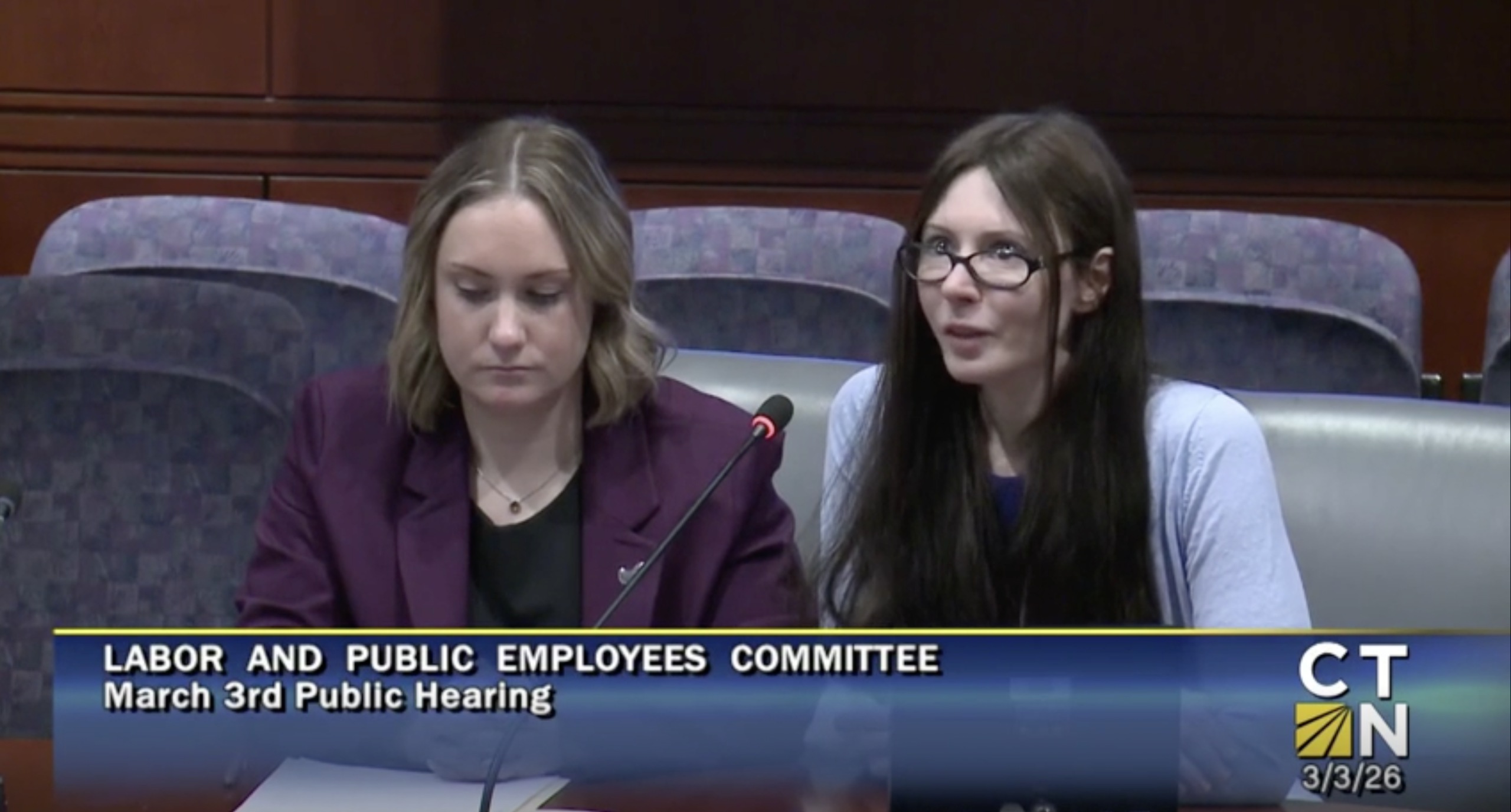
Janel Grant and her attorney testified before the Connecticut Labor and Public Employees Committee on Monday, March 2.
Grant and attorney Erica Nolan urged lawmakers to pass legislation that would prevent the use of workplace NDAs to silence victims of misconduct.
During her testimony, Grant said she filed a police report within the past week due to online intimidation tactics that she believed could have jeopardized her safety. She said police took a report and contacted WWE regarding the matter. Grant added that the police report notes WWE never responded to the officer’s call.
Grant said:
“This past week alone, I filed a police report because I noticed some intimidation tactics online playing out that were potentially going to pose a threat and jeopardize my safety in some way that I could not ignore. I called the police. They took a report. The officer reached out to WWE and to the state. When I got the report yesterday, WWE did not return the police officer’s phone call.”
This is the second time in recent weeks that Grant has made a public appearance to address the issue of workplace NDAs. Last month, she appeared at a Capitol news briefing hosted by the Connecticut Alliance to End Sexual Violence. During that event, she spoke about the impact the NDA at the center of her lawsuit against WWE and Vince McMahon has had on her.
Grant’s attorney also spoke at Monday’s briefing, addressing the intimidation and retaliation Grant has faced.
“For someone bound by an NDA, intimidation does not have to be loud or obvious – it can be as simple as a letter from a lawyer reminding a victim of what they signed,” Nolan testified. “In Ms. Grant’s case, however, the intimidation has been both loud and obvious. She has faced public retaliation, exposure of her personal information, witness intimidation, and even public mockery on national television of what she experienced.”
“This is not about punishing employers; it is about protecting workers here in Connecticut,” Nolan continued. “NDAs are often framed as neutral tools, but when used in cases involving misconduct, they function primarily to protect the employer, not the employee.”
Grant and Nolan’s testimony begins around the 15-minute and 25-second mark of the video below. A link to the press release from Hurwitz Sagarin & Slossberg is available here.


Ian Carey is a writer from Toronto, Ontario, Canada, whose work has been featured in NOW Magazine, The Huffington Post, and more. A lifelong wrestling aficionado born in Calgary, Alberta, Canada, he has covered the industry for a decade and a half. He joined the f4wonline.com team in 2019.