Wrestling is great, but no longer makes for great TV | Opinion
There is always competition in wrestling as territories were built on both that and local TV. The WWF/E Attitude Era was driven by two billionaires wanting nothing more than to beat the other. Even today, AEW and WWE go head-to-head on what seems like a bi-monthly basis.
In today’s age, however, wrestling has a daunting new foe to compete against: everything else.
We live in a time where every TV show, movie, game, comic or book ever made is available at our fingertips 24/7 in seconds. The instantness of our entertainment is overwhelming, but also makes attention spans shorter and the call for quality that much louder. This is especially true when it comes to TV.
I’ve watched wrestling in one form or another for almost my entire life. I’ve also watched TV for almost my entire life and have seen both grow and change over the years. I’ve also worked in TV development and something has been becoming very noticeable is that simply put: wrestling isn’t great TV anymore.
TV has evolved, but wrestling hasn’t evolved with it
TV has been at its peak for several years. Studios, streamers and networks are pouring money into creating high-quality shows and entertainment (and some low-quality ones that manage to find an audience, but I digress) that people clamor for, discuss and binge — all in hopes they become moments in popular culture.
Wrestling, by nature of its weekly production, can’t really do that.
When TV wrestling numbers were in the millions and millions on a weekly basis, it was because people were tuning in to see what happened and what might happen next. Now, that’s just not how we watch and consume TV. The days of being home to watch something at a specific time are long over and wrestling doesn’t really have an answer for that.
Sure, with Raw on Netflix, it’s easy to watch after the fact but by that time, it’s been spoiled for you and unless you are already a superfan or something huge happens, people aren’t going to go back and check it out just for the sake of it. It’d be like watching Monday Night Football on a Thursday after reading about it for two days.
TV shows today are also produced with cinema-level stories, effects and talent. Every new season of Stranger Things was treated like a pop culture event that you just had to be part of. That show had the benefit of being able to put out 8-10 episodes and call it a year. Wrestling needs new content every week.
I don’t dispute that it’s hard to maintain quality in that situation, but the difference between the two has never been more glaring because in wrestling, I’m not getting a full story, I’m not seeing characters develop, and I’m not really surprised by any twists or really shocking moments.
That’s on you, Creative
Yes, this is all a criticism of the way wrestling creative is currently presented. It could be due to corporate mandates, injuries derailing plans, or just an attempt to appeal to the widest possible audience, but WWE is flat as a pancake, AEW is overstuffed, and TNA or NXT seem like they are trying to recapture 90s stories without doing the 90s homework. This does not make for great TV.
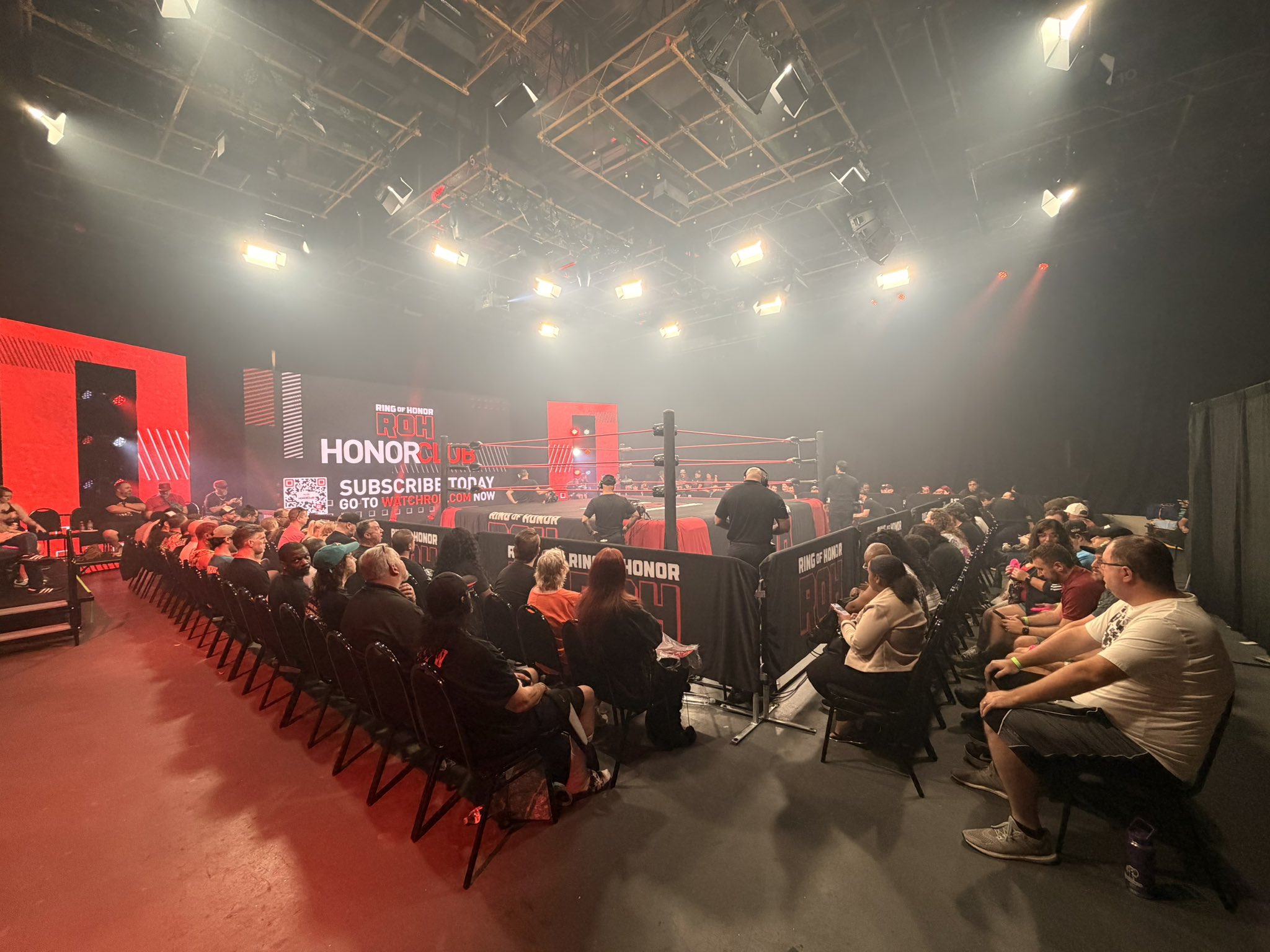
This was all very noticeable to me when Tony Khan was trying to get a TV deal for Ring of Honor. I was covering ROH at the time for this website and not at all surprised that it didn’t happen because no one outside of diehard wrestling fans would watch it. There’s some really great wresting in ROH so if you’re a fan of the art form, it’s worth watching. But to the casual fan that would be who they are targeting as an audience, there’s nothing. No stories, no outstanding characters, no hooks or reasons to tune in every week on a “TV watching” basis.
Studios and TV executives aren’t willing to take a chance on anything they think might develop over time, so with ROH, they would never spend the millions to put it on the air just because.
How wrestling can make it work
I’ve always maintained that wrestling is at its best when treated as a real sporting event. What makes the non-wrestling aspect of the show so unique is seeing how the through lines play out. In the ever-romanticized Attitude Era, an episode would start, set a story within that episode in motion, show how it plays into the bigger picture, then build to a climactic main event that concludes in that episode, but also sets the table for next week.
What we seem to get today is either a million commercials, promos and talking segments in between two or three passable matches, or we get 15 matches in two hours with no room to breathe.
What all this old man complaining is saying is that wrestling as a TV show has the unique opportunity to showcase things that nothing else on TV can. It can tell a story live and keep people hooked for two hours by finding room in the middle. It can have competitive matches that mean something, promos that mean something, and talent that means something.
I know they can do it, I’ve seen them do it. They just need to take a harder look at what’s actually on TV and where they can, as they say, ‘get their sh*t in.’
Jeff Moss covers the TNA Wrestling beat for F4W Online.com.


Jeff Moss is a writer, creator and developer in animation, comics and pretty much anything else he can get his mitts on. Pro Wrestling has always been his passion for reasons even he doesn't understand.