WWE house shows are back, but not for the reason they should be | Opinion
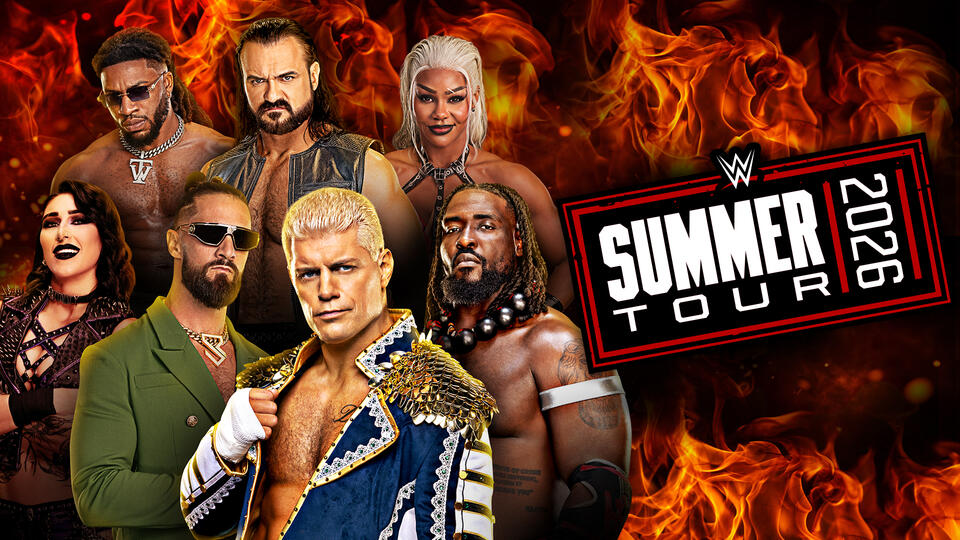
WWE is bringing back house shows to get talent more reps in the ring, but there is another reason they should never have been taken away in the first place.
WWE added 10 house show stops to its schedule for July and August this summer.
In Friday’s edition of the Wrestling Observer Newsletter, Dave Meltzer reported that the reason WWE is adding these shows to its schedule is because the company wants to get younger talent more experience in the ring.
But there is another reason house shows can be a good financial move for the company, even if the individual shows themselves lose money.
WWE house shows and the problem with short-term thinking
There used to be a saying in business that went something along the lines of, “Don’t be penny wise, but pound foolish.”
Basically, what this saying conveyed was: don’t do anything stupid that makes you money short-term, but costs you money long-term.
Nobody says this anymore. It’s not considered good advice because in 2026 corporate culture, it does pay to be penny wise and pound foolish, so long as it makes your next quarter’s results look good.
In a world where companies buy other companies daily, sell companies just as fast, and are owned by investment portfolios, nobody has a vision or a dream for what their product looks like. They just have a dream of numbers going up in their bank account.
Cutting WWE house shows might have been a penny wise move, but it’s very pound-foolish if you care about where the industry will be in 20 years.
WWE house shows and live events are where wrestling fans are made
House shows are money losers, so TKO got rid of them.
Why would you do anything that loses money?
Well, the idea is that it would grow your fan base in the long term.
Wrestling, like baseball, like other sports, and like many other things, is something that is passed down to someone from an older generation. A parent, an older sibling, or somebody else takes them to wrestling, and at a young age, that person forms a connection with it that is countless times deeper than the connection they form with it through a television screen.
They’re surrounded by thousands of people who also like this same ridiculous thing that they like. The performers from the television screen are right in front of them. It becomes a much bigger deal.
That young fan is far more likely, in theory, to become a diehard fan throughout their life and, even more importantly, pass down their wrestling fandom to their kids when the time comes.
When you cut out house shows, you cut out the creation of fans through this method. It’s a poor long-term strategy for your business.
Cutting house shows because they’re money losers is penny wise but pound foolish.
Why WWE house shows continued for so long even though they lost money
So when Vince McMahon continued running house shows, even though they lost money, there was a reason for it. It wasn’t just that Vince liked to throw away money. It was that he saw house shows as a pivotal part of growing the audience.
And he was right.
But in 2026, what’s the point in doing something that will be good for your business 20 years from now if there’s a chance you’re not even going to hold any stock in that company 20 years from now?
The only people within an industry trying to improve that industry are people who intend on passing down a business to their kids. Well, when it came time to do that, Vince wasn’t willing, and now TKO is running the company. And we got what we got: a make-money-now, who-cares-about-tomorrow approach.
WWE house shows are fan development, not just talent development
So WWE bringing back house shows because they are good for talent development is part of the equation, but not the full story.
This is not just talent development. It is also fan development.
But does TKO Group Holdings care about the state the wrestling industry will be in the 2040s or 2050s?
They don’t.
Because everyone involved with that company right now will have cashed out by then.
There’s another saying, a more unofficial one that takes place in business: “You’ll be gone, I’ll be gone.”
It’s basically what someone says before they do something penny wise, very pound foolish, and usually pretty unethical. I have a feeling it gets said a lot around TKO’s offices.


Ian Carey is the editing manager at F4WOnline and a writer from Toronto, Ontario, Canada. His work has appeared in award-winning publications including NOW Magazine and The Huffington Post. He joined the F4WOnline team in 2019 and moved into the editing manager role in the summer of 2026. Born in Calgary, Alberta, Ian has covered professional wrestling for more than 15 years.